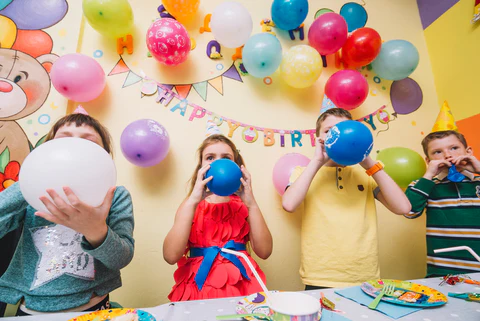
Children learn best when they are actively involved in an experience rather than simply listening to information. Whether at school, a birthday celebration or a community event, activities that encourage participation often leave a lasting impression. This is one reason why science-themed entertainment has become increasingly popular with parents, teachers and event organisers looking for something both enjoyable and educational.

By combining exciting demonstrations, audience participation and hands-on learning, science-based entertainment can help children develop curiosity while having fun at the same time.

Why Children Respond Well to Interactive Learning

Many traditional learning environments rely heavily on reading, listening and repetition. While these methods certainly have their place, children often retain information more effectively when they can see concepts brought to life.

Interactive experiences encourage children to ask questions, make predictions and observe outcomes in real time. Rather than memorising facts, they become active participants in the learning process. This engagement can help improve understanding and create positive associations with subjects that some children may otherwise find challenging.

Science is particularly well suited to this approach because it naturally involves experimentation, discovery and observation.

Turning Complex Concepts into Fun Experiences

Children Entertainment

Scientific principles can sometimes seem complicated when presented through textbooks alone. However, demonstrations involving chemical reactions, forces, energy and physical changes can transform abstract ideas into exciting visual experiences.

When children witness an experiment unfolding before their eyes, they often become more eager to understand the reasons behind what they are seeing. Concepts that once appeared difficult can suddenly feel accessible and interesting.

Many schools and event organisers now use interactive science shows to introduce scientific ideas in a way that feels entertaining rather than instructional. This approach can help children build confidence and enthusiasm for learning.

Encouraging Curiosity and Critical Thinking

One of the greatest benefits of science-based entertainment is its ability to encourage curiosity. Children naturally want to understand how things work, and science provides countless opportunities to explore questions and discover answers.

Activities that involve observation, prediction and experimentation help develop important critical-thinking skills. Children learn that making mistakes is part of the discovery process and that asking questions is often the first step towards finding solutions.

These experiences can inspire a mindset that extends far beyond science itself, helping children become more confident learners in many different areas.

Suitable for a Wide Range of Events

Science-themed entertainment is not limited to classrooms. It can be adapted for many different occasions, including:

  • Birthday parties
  • School enrichment days
  • Holiday clubs
  • Community events
  • Library activities
  • Family festivals
  • Educational workshops

Because the content can often be tailored to different age groups, children from early primary years through to older age groups can enjoy participating.

This flexibility makes science-based activities an attractive option for organisers seeking something unique and memorable.

Creating Lasting Memories Through Participation

Children are far more likely to remember an experience when they have been actively involved. Participating in demonstrations, volunteering during experiments or helping to solve scientific challenges can transform a simple event into a memorable occasion.

These moments often spark conversations long after the event has ended. Children may continue discussing what they learned, attempting related activities at home or exploring scientific topics further through books and online resources.

For parents and educators, this lasting impact can be just as valuable as the entertainment itself.

Finding the Right Balance Between Education and Fun

The most successful children’s events often combine enjoyment with meaningful experiences. Science-themed entertainment achieves this balance by blending learning with excitement, participation and discovery.

When children are encouraged to explore, question and experiment in a fun environment, they gain more than just a few hours of entertainment. They develop curiosity, confidence and an appreciation for learning that can benefit them well beyond the event itself.

Whether used in schools, community programmes or special celebrations, science-based activities continue to demonstrate that education and entertainment can work together to create truly memorable experiences.

Summer always sounds magical in theory. Long days, warm evenings, no school runs, no packed lunches. Then reality hits somewhere around week two when the phrase “I’m bored” starts echoing through the house every twenty minutes.

Parents know the struggle.

Keeping children entertained throughout the summer holidays can feel like a full-time job, especially when attention spans seem to disappear faster than ice cream on a hot afternoon. The challenge isn’t just filling time — it’s finding activities that actually hold a child’s interest for longer than ten minutes.

Over the years, I’ve noticed the best summer activities usually share one thing in common: movement. Kids have energy to burn, and when they don’t have an outlet for it, chaos tends to arrive shortly after.

Why Active Entertainment Works So Well

Children naturally gravitate toward activities where they can move, interact, and feel involved. Sitting quietly for long periods rarely lasts, particularly during summer when routines are already relaxed.

That’s why outdoor games, interactive challenges, themed activity days, and music-based events tend to work brilliantly. Kids love experiences where they feel part of something rather than simply watching from the sidelines.

I remember attending a local summer fair years ago where there was a small dance competition for children near the main stage. Nothing fancy — just music, bubbles, and a host with endless energy. Yet the area stayed packed for hours because the children were fully engaged. Parents got a chance to breathe while the kids completely wore themselves out.

Honestly, sometimes the simplest ideas end up being the most effective.

Turning Ordinary Days Into Mini Adventures

One thing that helps during summer is creating “event-style” days at home or in the community. Children respond surprisingly well when an activity feels special, even if it’s fairly simple underneath.

Treasure hunts in the garden. Water balloon games. DIY sports days. Costume afternoons. Mini talent shows. Anything with structure and excitement tends to instantly lift the energy.

Music-based activities are especially useful because they naturally combine movement, creativity, and social interaction. That’s one reason why many parents look into kids dance and disco parties when planning birthday celebrations or summer gatherings. They give children a chance to burn energy in a positive way while keeping the atmosphere fun and inclusive.

And let’s be honest — kids rarely need an excuse to dance badly and scream lyrics at maximum volume.

Screens Aren’t Always the Enemy — But Balance Matters

Most parents eventually rely on screens at some point during summer holidays. That’s normal. Realistically, not every hour can be packed with educational games and outdoor adventures.

Still, balance makes a huge difference.

Children who spend the entire day indoors on tablets often become more restless by evening rather than less. Mixing digital entertainment with active experiences tends to create a much healthier rhythm.

Even short bursts of physical activity can reset a child’s mood completely. A thirty-minute game, dance session, or outdoor challenge can sometimes prevent an entire afternoon of boredom-driven meltdowns.

Social Activities Make Summer More Memorable

One thing children remember most from summer isn’t necessarily the expensive outings. Usually, it’s the moments shared with other kids.

Group activities create excitement naturally. Whether it’s a neighbourhood game, themed party, or organised entertainment event, children feed off each other’s energy. The laughter becomes contagious. Even quieter kids often become more confident once everyone starts joining in.

That social aspect matters more than many people realise.

Making the Most of the Holidays

At its core, summer entertainment doesn’t need to be complicated or expensive. Children mainly want excitement, interaction, and variety.

Some days that means outdoor games. Other days it means music, crafts, storytelling, or organised events. The key is mixing things up enough to keep curiosity alive.

Because once boredom takes over during summer holidays… parents usually feel it too.

When retailers think about store fixtures, attention often goes to shelving, racks, and product displays. However, one of the most important operational surfaces in the entire store is the checkout workspace. The counter where transactions happen must support technology, organization, and customer interaction — all within a limited footprint.

The Countertop as a Functional Work Surface

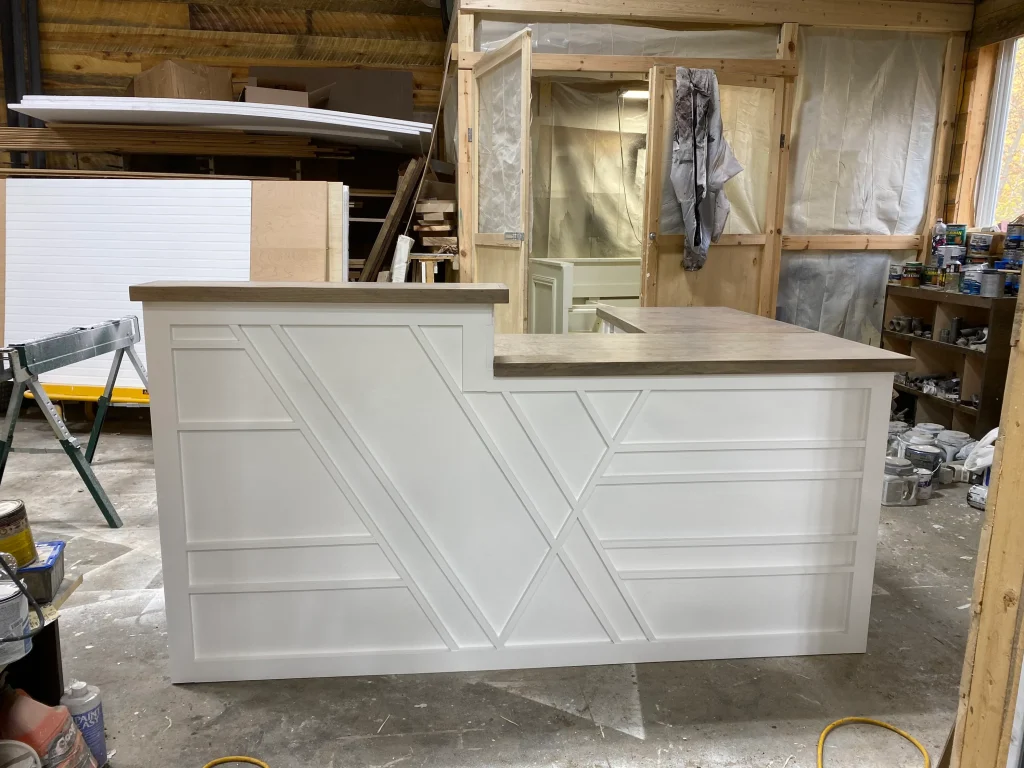
A well-designed cash register countertop serves as the command center of retail operations. It supports payment terminals, barcode scanners, receipt printers, and bagging space — all while maintaining enough room for comfortable customer interaction.

The depth and width of the surface matter more than many retailers realize. Too little space creates clutter and slows down transactions. Too much unused space can disrupt workflow efficiency. The right balance ensures that staff can move smoothly without overcrowding the checkout zone.

Supporting Modern Retail Technology

Cash Wrap Counters

Today’s checkout areas must accommodate more than just a register. Mobile POS systems, tap-to-pay terminals, and digital displays require thoughtful planning. A properly sized countertop allows retailers to integrate technology without creating visual chaos.

Cable management is another key consideration. Hidden wiring channels and organized equipment placement keep the checkout area looking clean and professional. Customers may not consciously notice tidy cable routing, but they absolutely notice when things look messy.

Creating a Comfortable Customer Interaction Space

The checkout area is often where customers ask final questions, request gift wrapping, or inquire about returns. The countertop should provide enough surface area for these interactions without feeling cramped.

A clean, open counter surface communicates organization and professionalism. It also creates a more comfortable exchange between staff and customers, reinforcing trust at the final stage of the purchase journey.

Improving Durability and Long-Term Performance

Checkout counters endure constant daily use. Items are scanned, bags are packed, and surfaces are wiped down repeatedly. Choosing durable materials ensures the countertop maintains its appearance despite heavy traffic.

Scratches, chips, or worn finishes can subtly affect how customers perceive the store’s quality. Investing in a sturdy countertop solution supports long-term visual consistency and reduces maintenance costs.

Designing for Efficiency and Growth

Retail operations evolve over time. New payment systems, loyalty programs, and hardware upgrades may require adjustments at the register. Selecting a flexible countertop layout allows businesses to adapt without a complete redesign.

Ultimately, the checkout surface is more than just a place to set a register. A well-planned cash register countertop enhances efficiency, supports modern retail tools, and contributes to a seamless customer experience — all while reinforcing the store’s overall design aesthetic.

Children thrive on joyful experiences, but memorable moments don’t always need big parties or huge budgets. With small touches and intentional activities, ordinary days can feel special for kids and stress-free for parents. Whether it’s a cosy weekday milestone or a relaxed weekend gathering, thoughtful ideas help you make the most of family time — and when you do want structured fun for birthdays and bigger events, trusted options for children’s party solutions can bring energy, organisation and excitement.

Celebrate Small Wins Daily

Birthdays aren’t the only reason to celebrate. Finishing a tricky piece of homework, learning a new skill, or reaching a monthly reading goal are all chances to mark progress. Set up mini-rituals like choosing a favourite dinner, lighting a special candle or picking a game to play together. These micro-celebrations build self-esteem and show children that their everyday efforts matter.

Theme Your Family Days

Kids respond well to themes because they give focus and fun to routine days. For example, “Rainbow Lunch Day,” “Adventure Hat Day” or “Build-It Saturday” give children something to look forward to and shape the tone of the day. Simple decorations or themed playlists make these occasions feel distinct without much expense or planning time.

Turn Chores Into Games

Transform everyday tasks into play by adding challenges or creative twists. Who can set the table with their eyes closed? Can you build a bridge out of cushions and books before cleaning up the toys? These playful reframes make teamwork and responsibility feel fun — and they bring giggles into tasks that could otherwise feel dull.

Shared Creativity Sessions

Even short craft sessions or open-ended creative time bring parents and kids together. Let children lead with their ideas and ask open questions (“What would happen if we tried this?”). Displaying their creations on the wall or fridge shows you value their efforts. These moments build confidence and create a sense of pride in everyday achievements.

Get Outside For Everyday Adventures

A local walk, playground visit, nature scavenger hunt or even a puddle-splashing session turns fresh air into fun. Assign little missions — “Find a green leaf,” “Spot a sign of spring,” or “Count five different birds” — and you’ve transformed a simple outing into a purposeful, engaging experience.

Quiet Time Rituals That Feel Special

Not all fun has to be loud or high-energy. Set up cosy reading corners with cushions and blankets, play calm music and read stories together. Storytime with hot chocolate or snacks feels like a gentle celebration and gives children shared focus with a soothing atmosphere.

Celebration Days With Friends Or Family

When you’re ready for bigger moments — birthdays, milestones or seasonal gatherings — consider structured experiences that bring joy without hassle. Professional entertainers, themed activities and coordinated setups take the pressure off parents and give kids something to truly look forward to. For example, trusted providers of children’s party options offer well-paced, age-appropriate packages with games, music and interactive moments tailored to your child’s interests and group size.

Practical Tips For Parents

  • Keep celebrations flexible — they don’t need to be long to feel meaningful.
    • Involve children in planning to give them ownership of the fun.
    • Use simple props — a playlist, cushions, chalks and craft supplies — to build atmosphere.
    • Rotate small ideas daily so novelty stays high.

Make Moments That Matter

Celebrations don’t need to be rare to be meaningful. When you weave small joys, shared activities and intentional play into daily life, children feel seen and valued — and you build a home filled with laughter, connection and memories. Whether it’s a cozy afternoon of activities or a well-organised celebration with entertainment and games, approaching fun with care makes every day an opportunity to celebrate childhood.