
When retailers think about store fixtures, attention often goes to shelving, racks, and product displays. However, one of the most important operational surfaces in the entire store is the checkout workspace. The counter where transactions happen must support technology, organization, and customer interaction — all within a limited footprint.
The Countertop as a Functional Work Surface
A well-designed cash register countertop serves as the command center of retail operations. It supports payment terminals, barcode scanners, receipt printers, and bagging space — all while maintaining enough room for comfortable customer interaction.
The depth and width of the surface matter more than many retailers realize. Too little space creates clutter and slows down transactions. Too much unused space can disrupt workflow efficiency. The right balance ensures that staff can move smoothly without overcrowding the checkout zone.
Supporting Modern Retail Technology
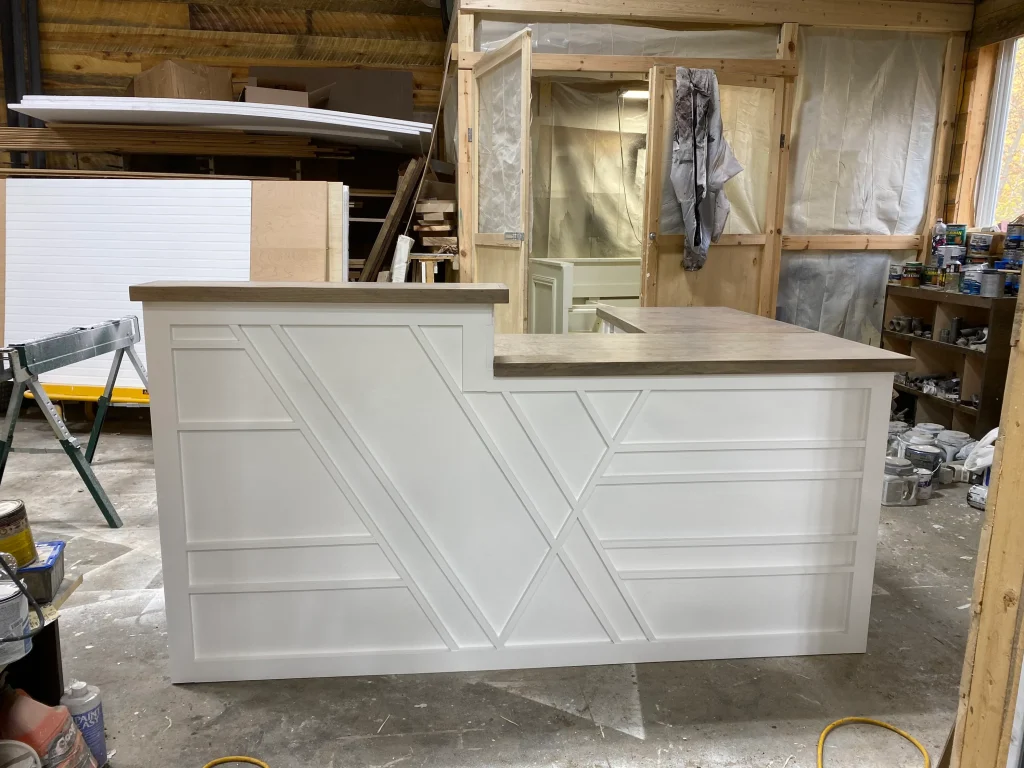
Today’s checkout areas must accommodate more than just a register. Mobile POS systems, tap-to-pay terminals, and digital displays require thoughtful planning. A properly sized countertop allows retailers to integrate technology without creating visual chaos.
Cable management is another key consideration. Hidden wiring channels and organized equipment placement keep the checkout area looking clean and professional. Customers may not consciously notice tidy cable routing, but they absolutely notice when things look messy.
Creating a Comfortable Customer Interaction Space
The checkout area is often where customers ask final questions, request gift wrapping, or inquire about returns. The countertop should provide enough surface area for these interactions without feeling cramped.
A clean, open counter surface communicates organization and professionalism. It also creates a more comfortable exchange between staff and customers, reinforcing trust at the final stage of the purchase journey.
Improving Durability and Long-Term Performance
Checkout counters endure constant daily use. Items are scanned, bags are packed, and surfaces are wiped down repeatedly. Choosing durable materials ensures the countertop maintains its appearance despite heavy traffic.
Scratches, chips, or worn finishes can subtly affect how customers perceive the store’s quality. Investing in a sturdy countertop solution supports long-term visual consistency and reduces maintenance costs.
Designing for Efficiency and Growth
Retail operations evolve over time. New payment systems, loyalty programs, and hardware upgrades may require adjustments at the register. Selecting a flexible countertop layout allows businesses to adapt without a complete redesign.
Ultimately, the checkout surface is more than just a place to set a register. A well-planned cash register countertop enhances efficiency, supports modern retail tools, and contributes to a seamless customer experience — all while reinforcing the store’s overall design aesthetic.